

What is Ideogram AI?
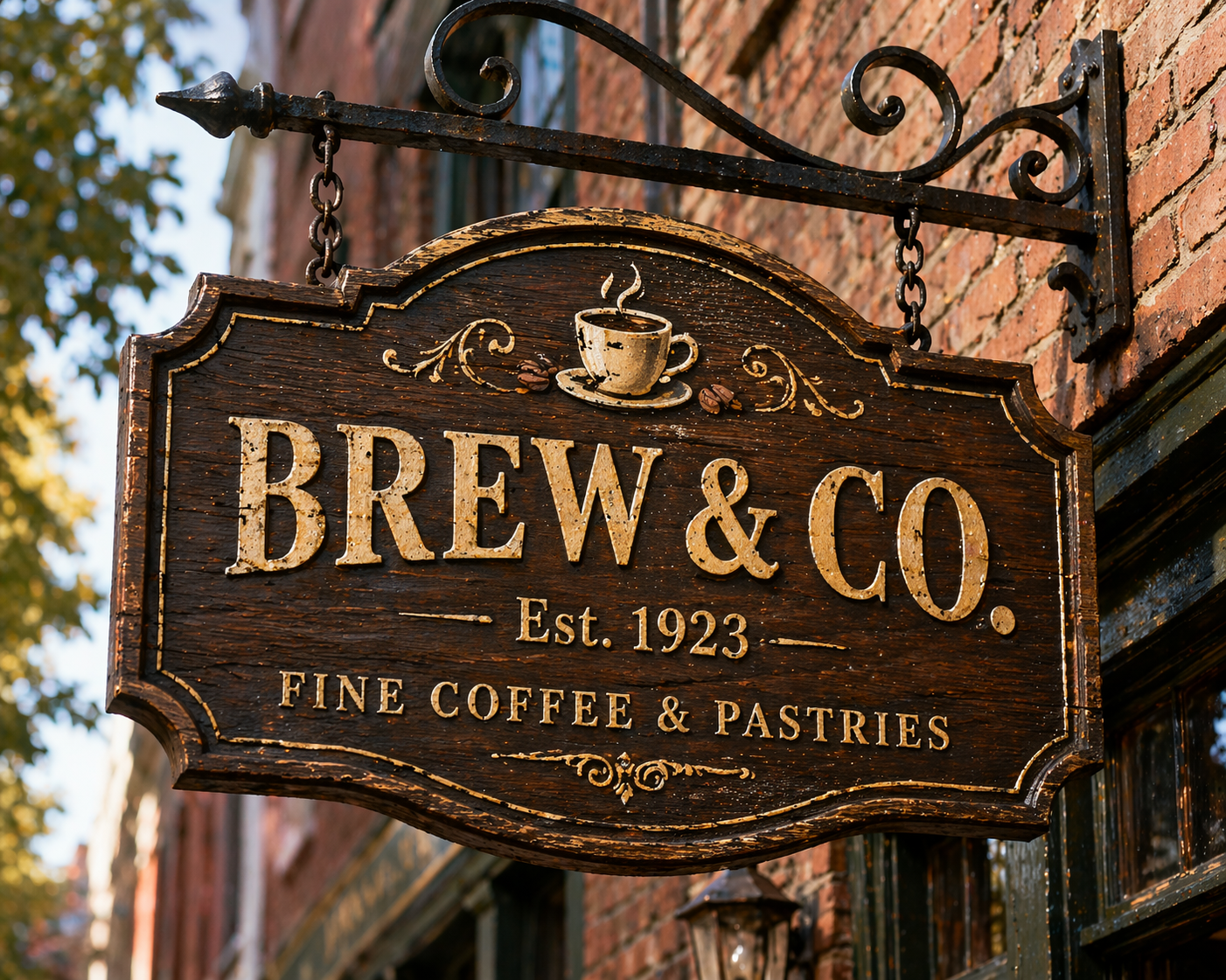
Ideogram is an AI image generation model that specializes in rendering accurate, legible text within images. Founded in 2023 by former Google Brain researchers, Ideogram solved what was considered the hardest problem in AI image generation — making text that humans can actually read. Unlike most generative models that treat text as visual noise and distort it beyond recognition, Ideogram was trained on specialized typography and font design datasets, allowing it to reproduce letters, numbers, and symbols with pixel-level precision.
The model's architecture combines a diffusion-based image generator with a dedicated text processing module. This module analyzes the input prompt, identifies text fragments enclosed in quotation marks, and places them onto the final image while respecting perspective, lighting, and the style of the surrounding scene. The result is images where inscriptions look as though they were placed by a professional designer rather than generated by AI.
On Hubery.ai, you can access Ideogram without any API setup or complex configuration. Just open the chat, select the model, and start generating. The entire workflow happens in your browser — no downloads, no command-line tools, no technical expertise required.
Key Capabilities of Ideogram 3.0
Ideogram 3.0 is the latest version of the model, available on Hubery.ai. Compared to previous iterations, it received several critical improvements that place it firmly at the top of the text-in-image generation category.
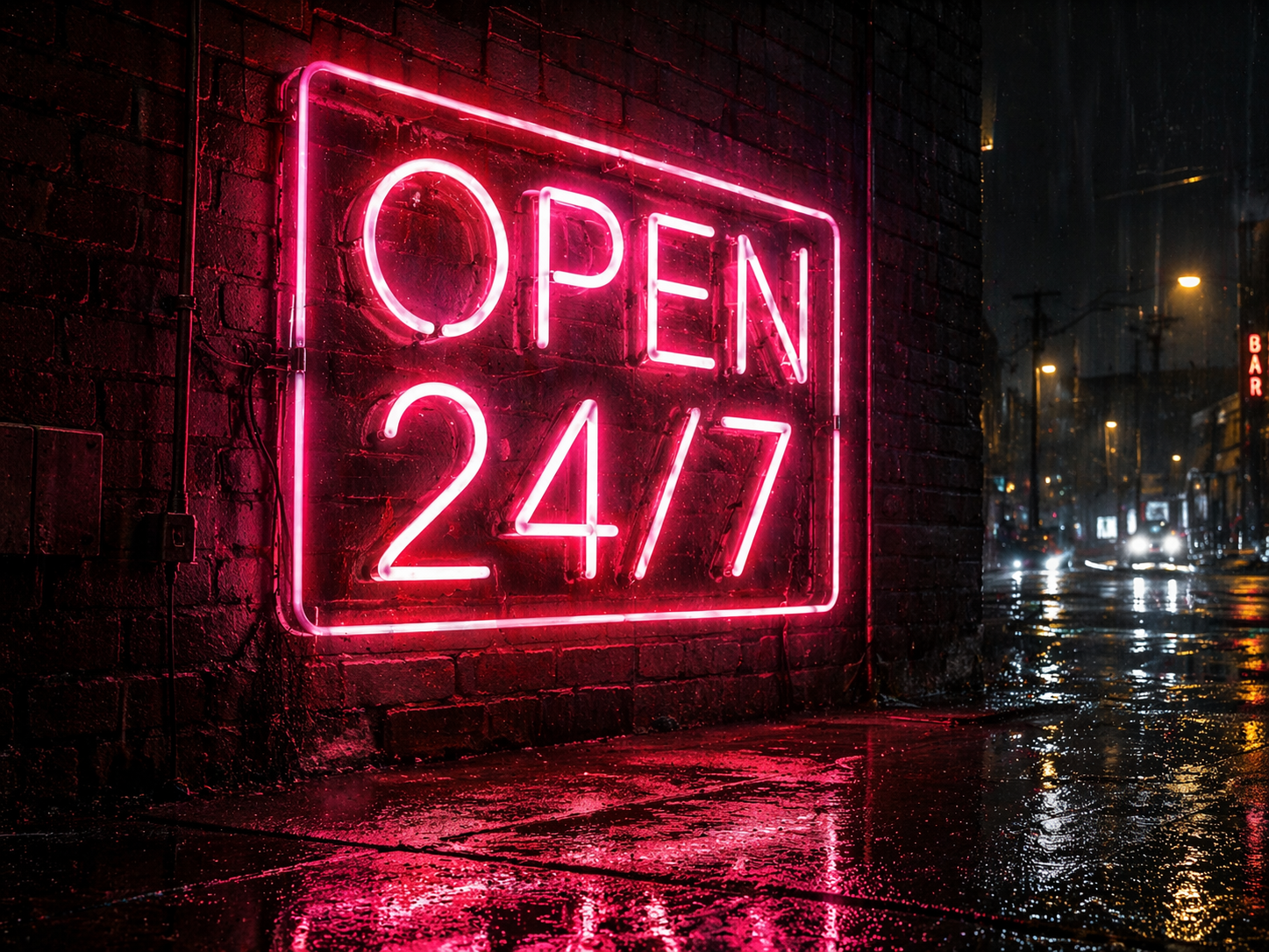
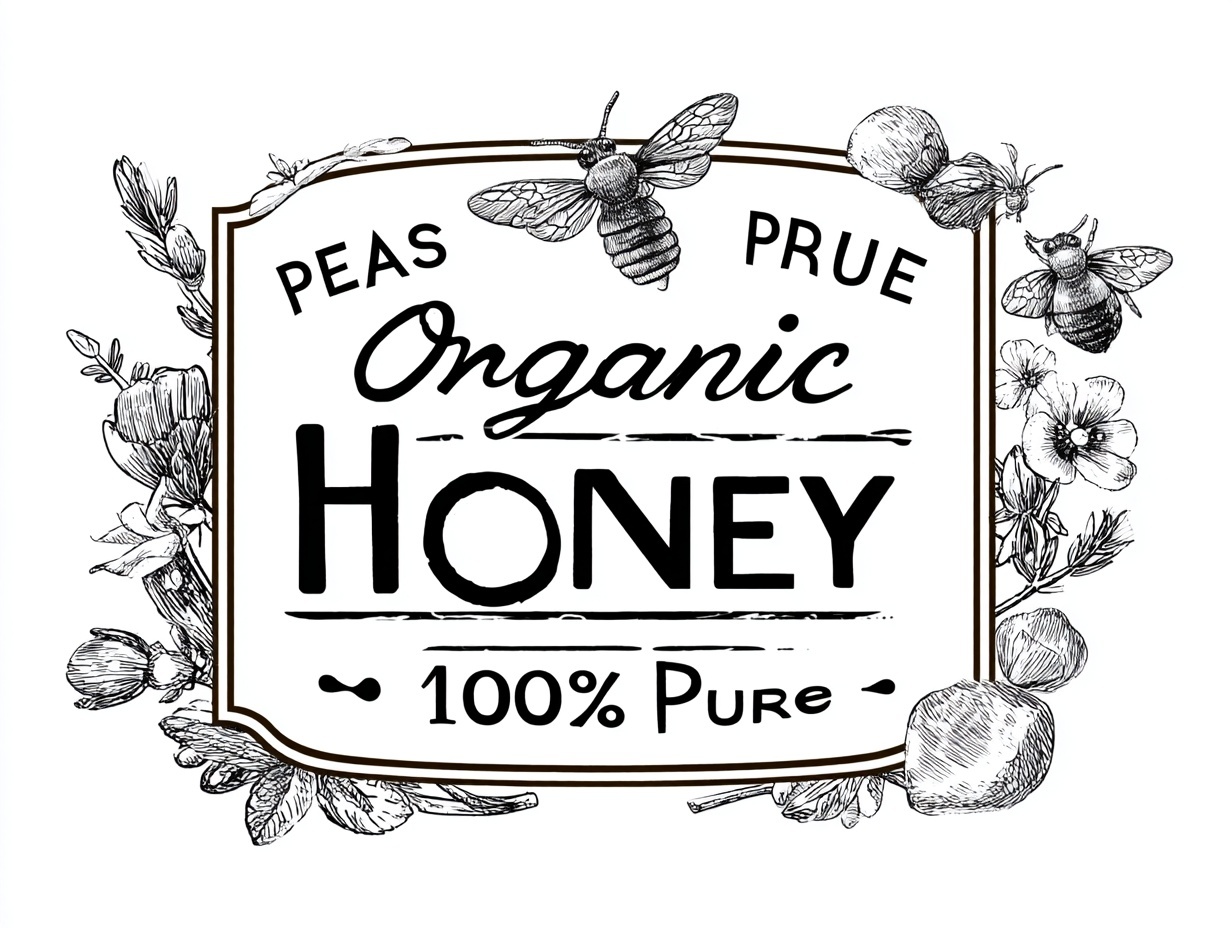
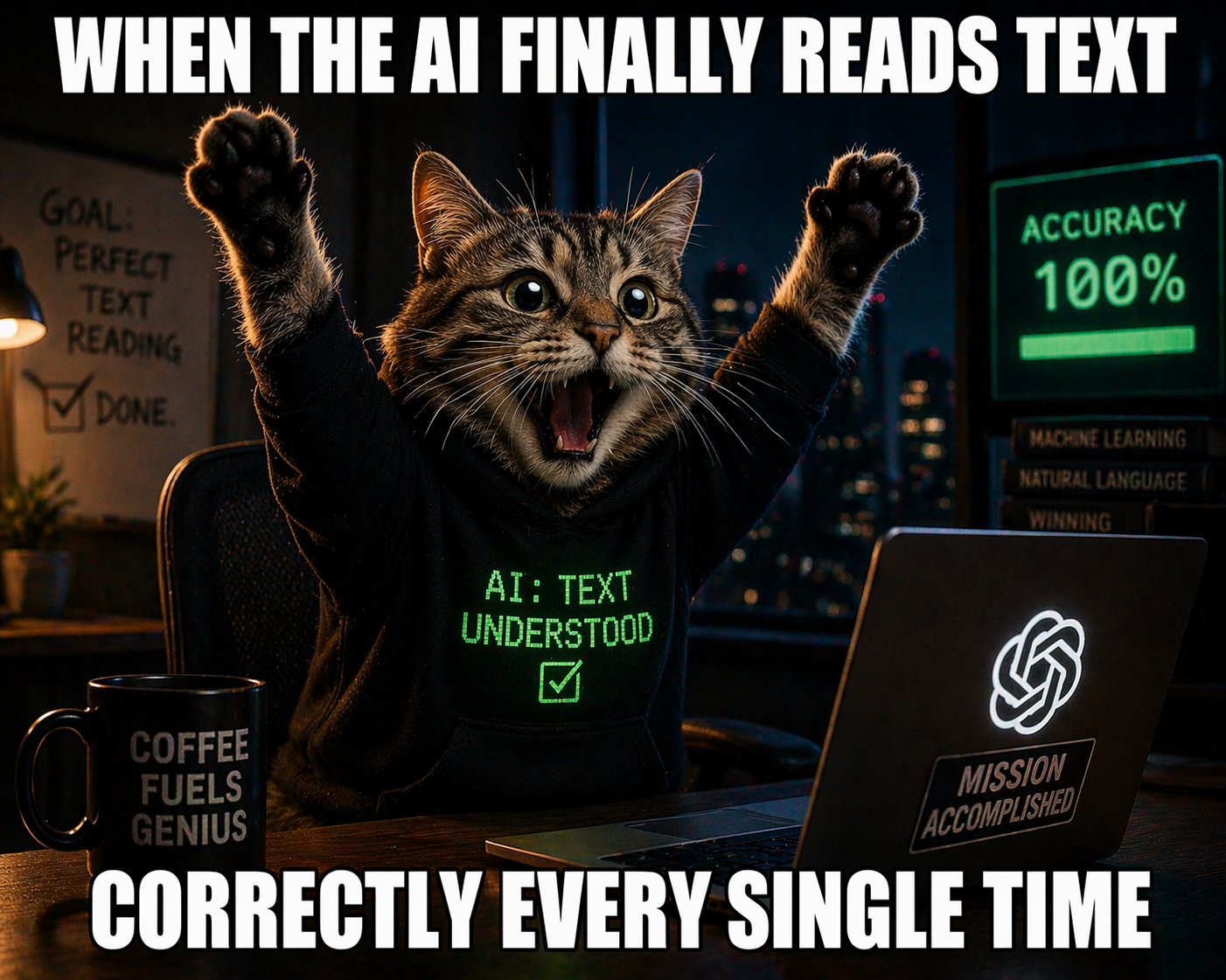
Best-in-class text rendering. Ideogram 3.0 achieves 99% text accuracy when generating Latin-script inscriptions and approximately 95% for other writing systems. The model correctly handles long phrases, numbers, special characters, and even fine print such as labels or diagram annotations.
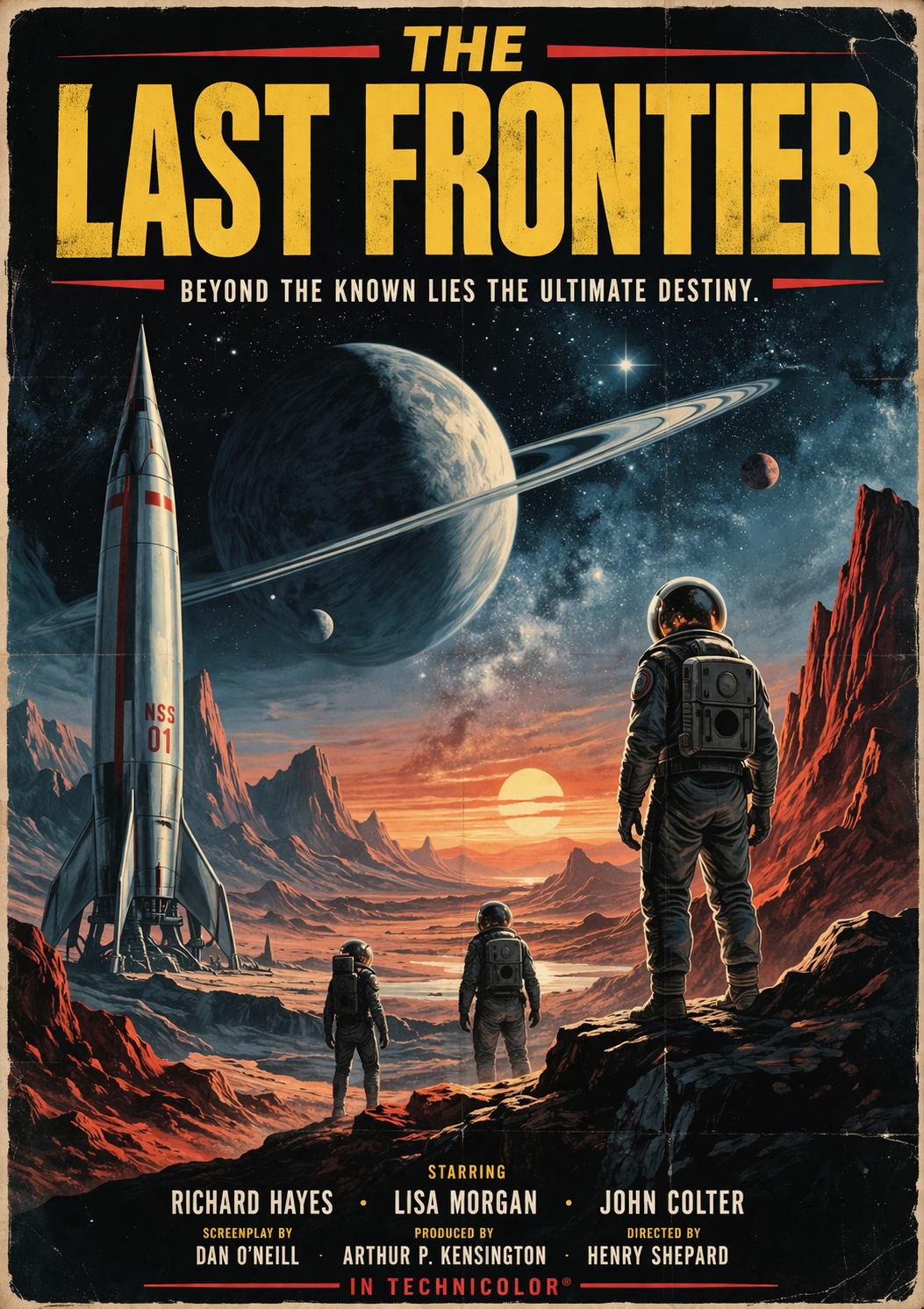
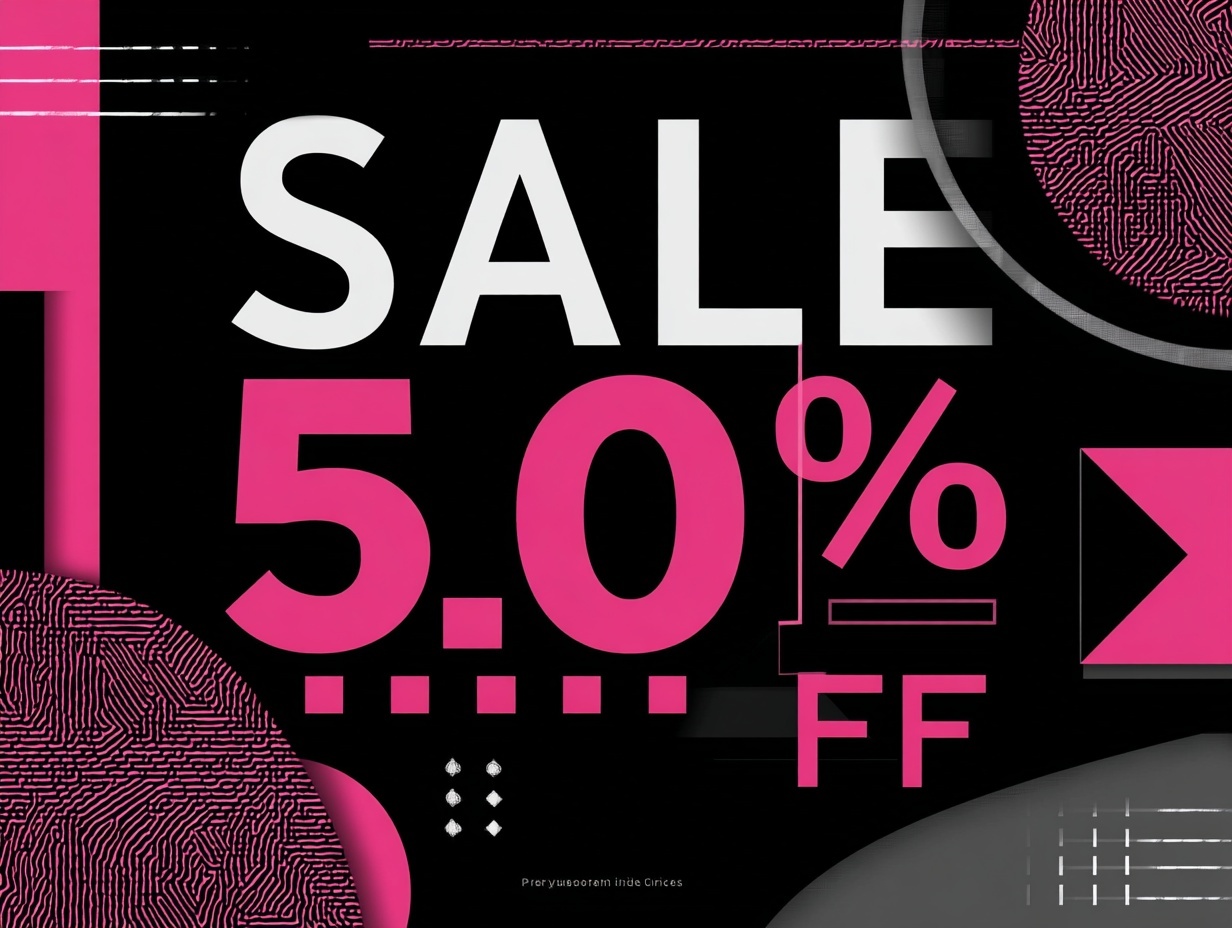
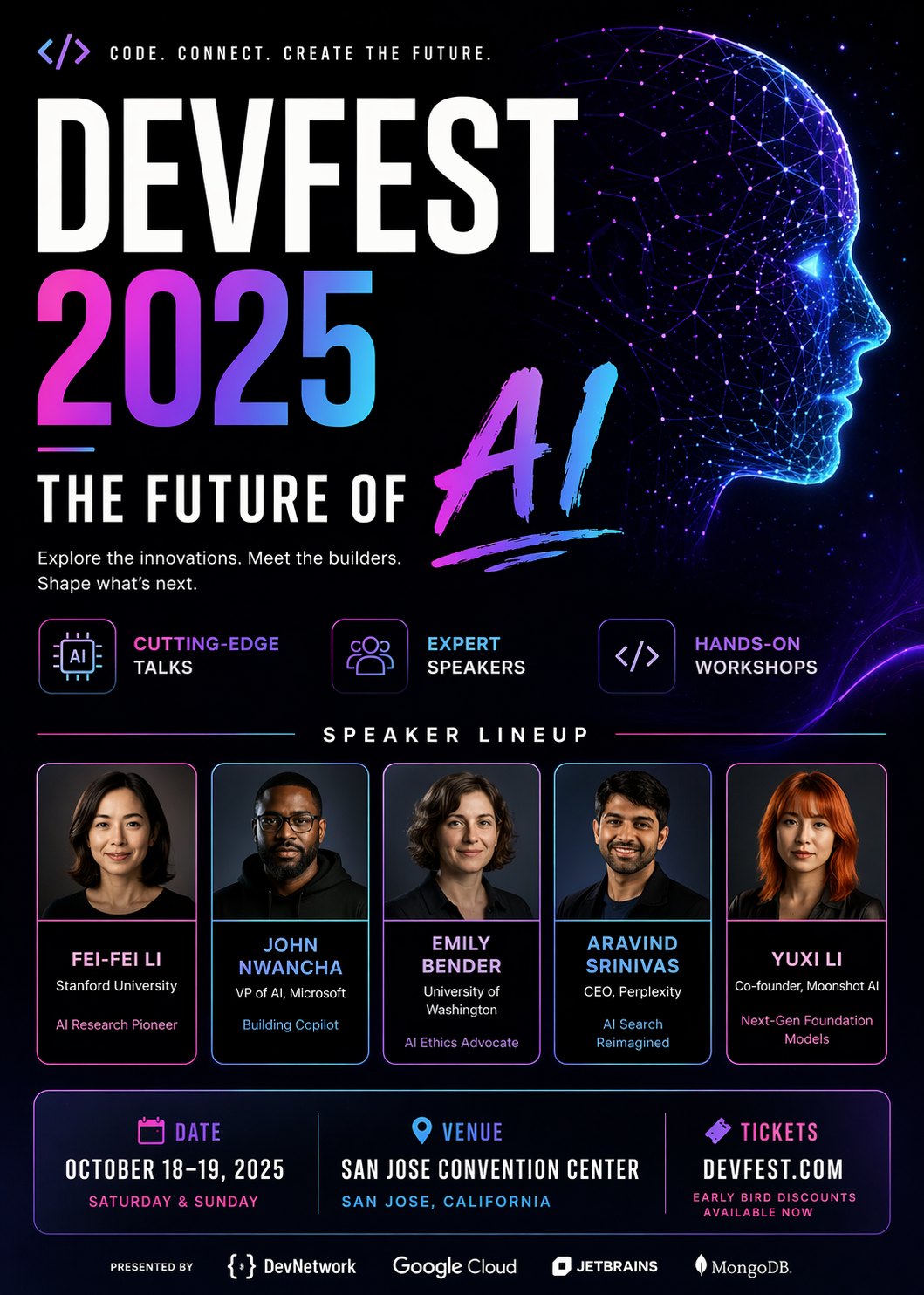
Poster and banner design. The model excels at creating movie posters, concert flyers, event banners, and advertising mockups. Headlines, subheadings, and taglines are placed with an understanding of composition and typographic hierarchy.
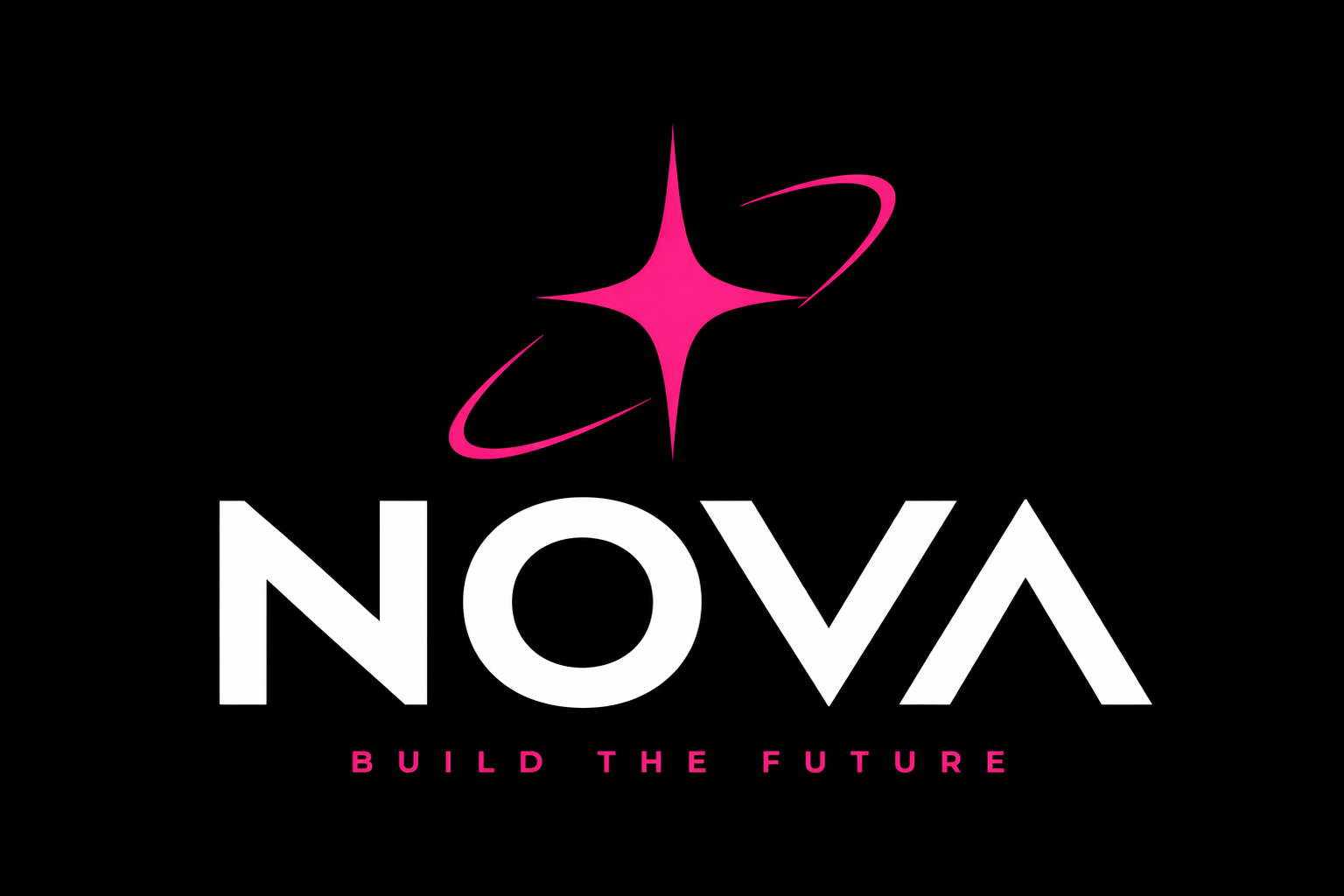
Logo concepts. Ideogram can generate dozens of logo variations featuring a brand name combined with icons, abstract shapes, and visual metaphors. It is not a replacement for a professional designer, but an excellent tool for rapid ideation and finding the right visual direction early in the branding process.
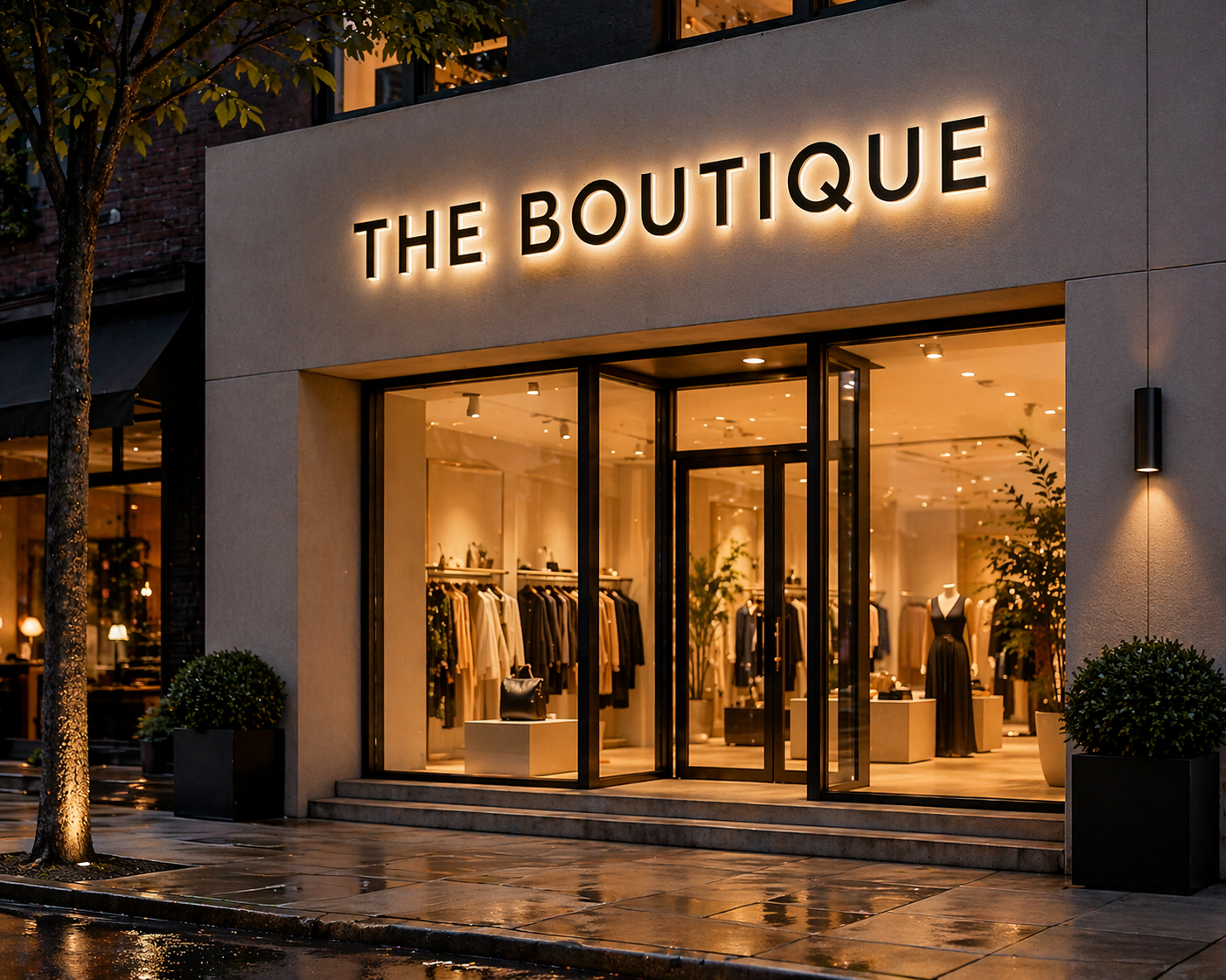
Multilingual typography. Ideogram 3.0 supports text rendering in multiple scripts including Latin, Cyrillic, Chinese, Japanese, Korean, and Arabic. The model can combine multiple writing systems in a single image — for example, a storefront sign with an English name and a subtitle in another language.
Photorealism and stylization. Beyond text, Ideogram 3.0 has significantly improved overall image quality. The model generates photorealistic scenes, stylized illustrations, 3D renders, and flat design — all with equally high text quality regardless of the visual style.
Ideogram vs. DALL-E 3 and Midjourney — How They Compare
Choosing the right image generator depends on your task. Each model has distinct strengths, and understanding the differences helps you pick the right tool for the job.
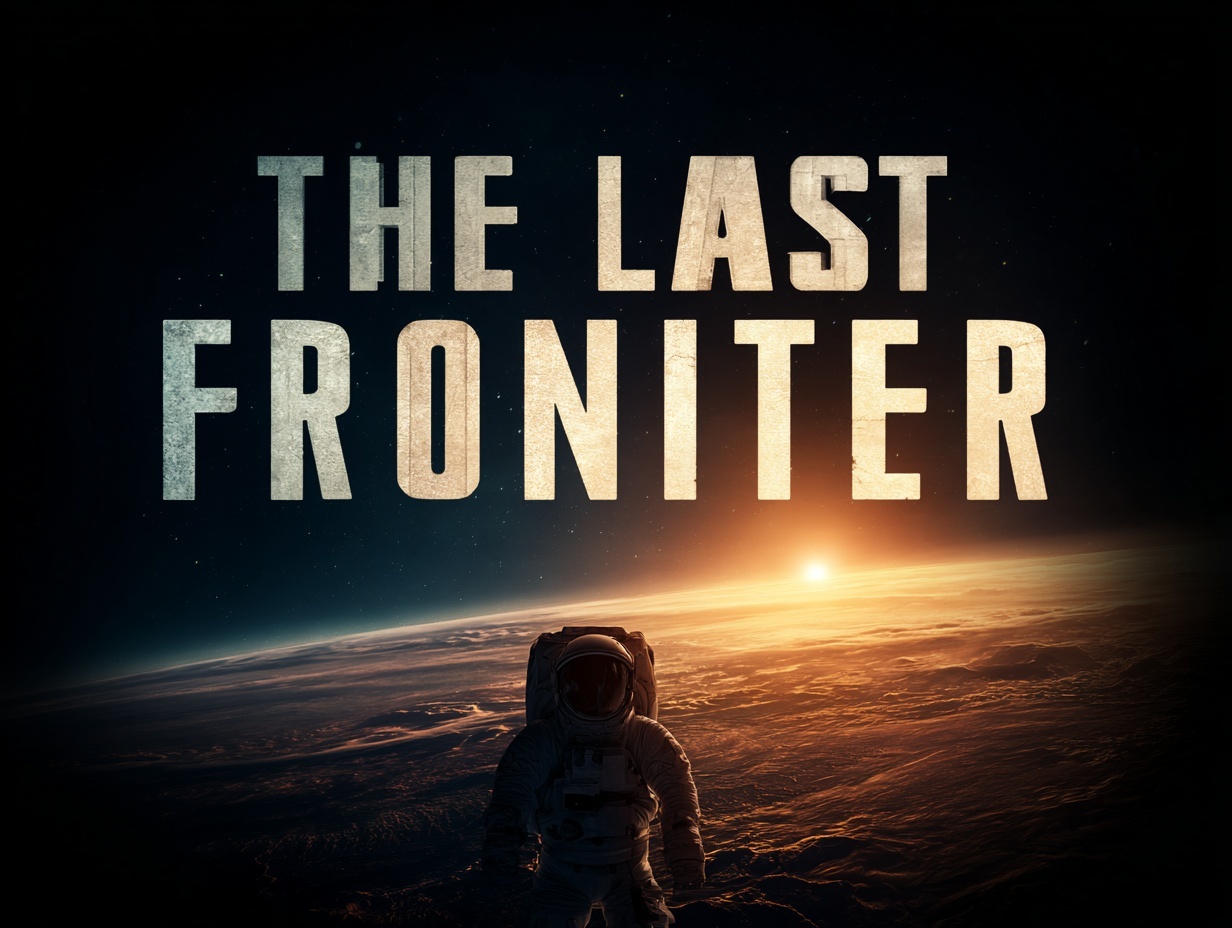
Ideogram vs. DALL-E 3. DALL-E 3 from OpenAI is a powerful model with strong prompt comprehension and acceptable text quality. However, DALL-E 3 makes mistakes with longer inscriptions, scrambles letter order, and does not always render non-Latin scripts correctly. Ideogram 3.0 surpasses DALL-E 3 in text accuracy by roughly 40 percentage points (99% vs. 60%). If your task requires an image with legible text, Ideogram is the clear winner.
Ideogram vs. Midjourney. Midjourney is the acknowledged leader in creating artistic and atmospheric visuals. However, text in Midjourney images almost always contains errors: flipped letters, extra characters, and nonsensical inscriptions. With text accuracy around 40%, Midjourney is not suitable for tasks requiring readable typography. The ideal strategy is to use Midjourney for artistic concepts and Ideogram for anything that contains text.
On Hubery.ai, all three models are available through a single interface, making it easy to switch between them and choose the best tool for each specific task.
Prompt Examples for Ideogram
To get the most out of Ideogram, it is important to craft your prompts correctly. Text that should appear on the image must be enclosed in quotation marks. Here are several ready-to-use examples:
Event Poster
"DESIGN WEEK 2026" — minimalist conference poster, white text on dark navy background, geometric lines, modern typography, professional layoutStorefront Sign
"BREW & CO. — Open Daily 7am to 11pm" neon sign on exposed brick wall, warm amber glow, evening atmosphere, photorealistic styleSocial Media Card
"5 Rules of Productivity" Instagram carousel card, gradient background from purple to pink, large bold sans-serif font, minimalist clean designProduct Label
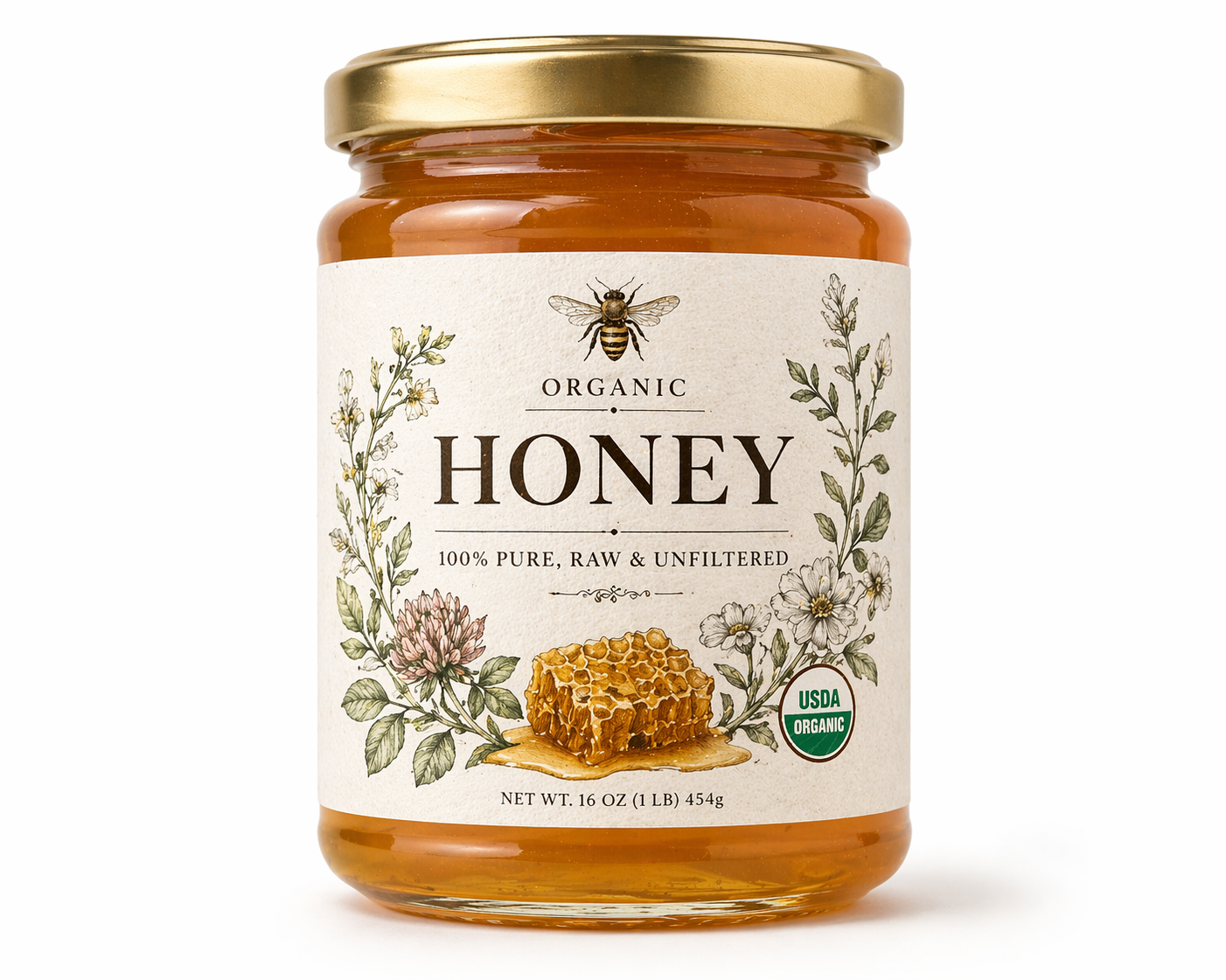
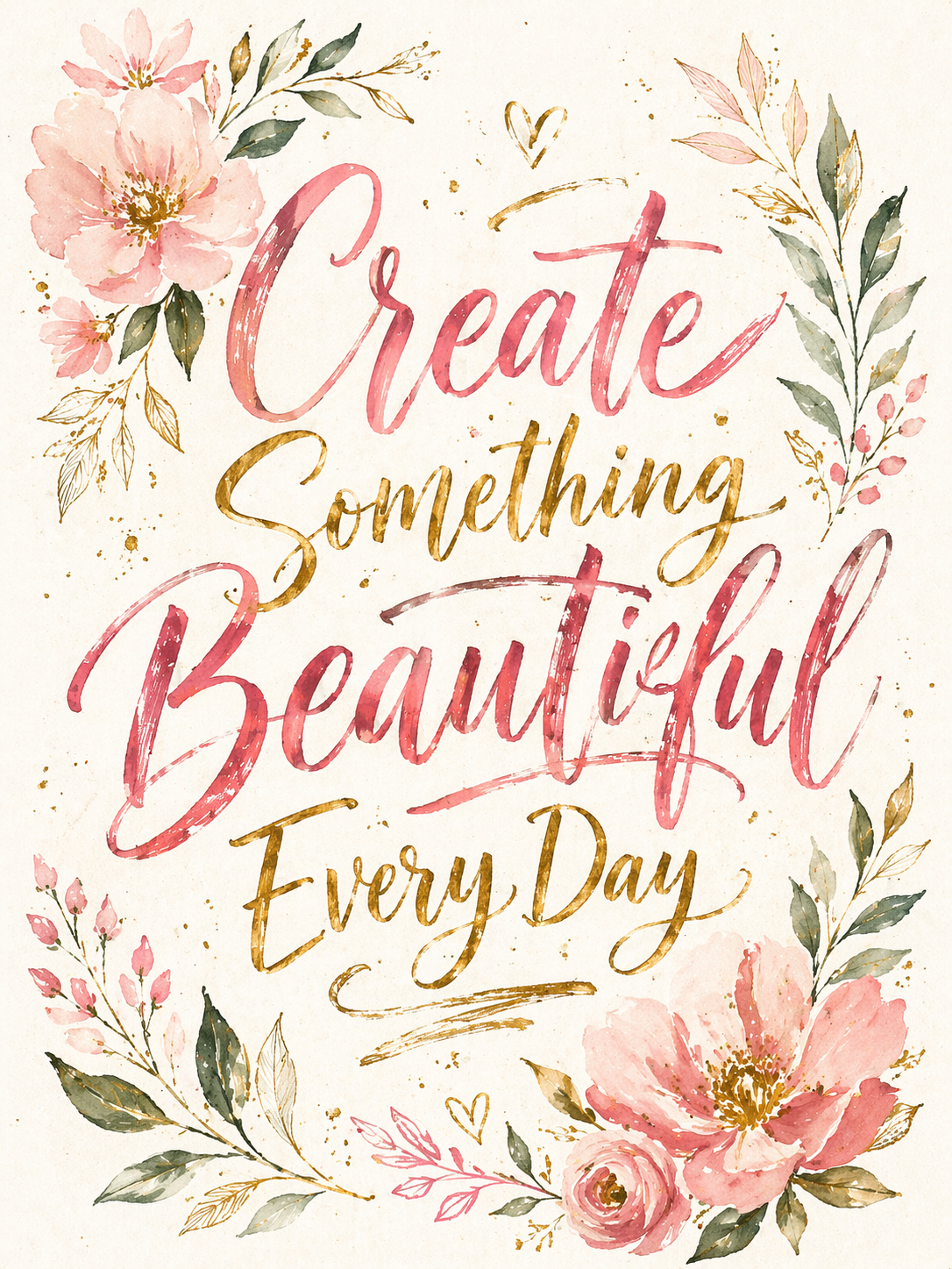
"Organic Tea — Jasmine Blend — 100g" packaging label design, watercolor jasmine flowers, pastel tones, elegant serif typefaceNotice that Ideogram reproduces quoted text with maximum fidelity. Style descriptions, colors, and composition notes should be written outside the quotation marks. The more specific your description, the closer the result will be to your vision.
Professional Use Cases
Ideogram finds applications across a wide range of professional scenarios. Here are five key areas where it delivers the most value:
- Marketing and advertising. Rapid creation of banners, promotional cards, and ad mockups with headlines and calls to action. Marketers use Ideogram to A/B test visual concepts before handing the best variants to a designer for production.
- Branding and identity. Generate dozens of logo variations in minutes. During early brand development, Ideogram helps define the visual direction: font style, color palette, and the balance between text and graphic elements.
- Social media content. Create unique cards, covers, stories, and YouTube thumbnails with readable headlines. Especially valuable for content creators who need to produce a high volume of visual content daily.
- E-commerce. Packaging mockups, product labels, and product cards with descriptions and pricing. Ideogram lets you visualize how a product will look with a specific label design before going into production.
- Education and presentations. Infographics with annotations, diagrams with labels, and illustrations for learning materials. Text on educational visuals must be flawlessly readable — and Ideogram handles this better than any other model on the market.
Ideogram on Hubery.ai — All Models, One Platform
Hubery.ai provides access to Ideogram 3.0 alongside more than 50 AI models in a single subscription: text models (GPT-4o, Claude, Gemini), image generators (Midjourney, DALL-E 3, Stable Diffusion, Flux), and specialized tools for audio, video, and code. All models are accessible through one unified web interface.
Free tokens are provided on sign-up. No monthly subscription is required — pay only for what you generate. For professionals who work with images regularly, Hubery.ai lets you compare results from different models on the same prompt. Generate a poster in Ideogram, then try the same request in Midjourney or DALL-E 3 — and pick the best result. Everything in one window, without switching between services.
Whether you are a solo designer, a marketing team, or a content agency, having Ideogram and 50+ other AI models under one roof eliminates the friction of managing multiple accounts, billing systems, and interfaces. Sign up once, and the entire AI toolkit is at your fingertips.