Updated: April 15, 2026
Stable Diffusion — AI Model for Image Generation
Stable Diffusion is an open-source AI model for creating images from text descriptions, developed by Stability AI. Over 44,000 people search for access to Stable Diffusion every month. Local installation requires a powerful GPU (NVIDIA with 8+ GB VRAM), Python environment setup, and command-line knowledge — the barrier to entry is significantly higher than with other AI image generators.
Stable Diffusion overview: from SD 1.5 to SD3
Stable Diffusion is a family of generative models based on latent diffusion. The first version, SD 1.5, launched in 2022 and quickly became the standard for open-source image generation. In 2023, Stability AI released SDXL — a significantly improved architecture with native 1024x1024 resolution, two text encoders (CLIP ViT-L and OpenCLIP ViT-bigG), and a built-in refiner pipeline. SDXL remains the most popular version for production use thanks to its extensive ecosystem of LoRA models and ControlNet compatibility.
In 2024, Stable Diffusion 3 (SD3) arrived, built on the MMDiT (Multimodal Diffusion Transformer) architecture. SD3 uses three text encoders, including T5-XXL, which dramatically improves understanding of long and complex prompts. The model handles text rendering on images, hand anatomy, and spatial relationships between objects far better than its predecessors. On Hubery.ai, both SDXL and SD 3.5 are available, along with dozens of community models: Juggernaut XL, DreamShaper, RealVisXL, and more.
Key features: ControlNet, img2img, LoRA, and more
Stable Diffusion stands out among generative models thanks to its modular architecture and rich extension ecosystem:
- ControlNet — neural network modules for precise generation control. Upload a source image and ControlNet extracts pose (OpenPose), edges (Canny), depth map (Depth), or normals. The result precisely follows the reference structure while allowing full creative freedom in styling.
- img2img — generation based on an existing image. Upload a photo or sketch, set a prompt and denoising strength. At 0.3–0.5, the original composition is preserved; at 0.7–0.9, the style changes entirely.
- Inpainting — selective replacement of image regions. Mask an area, describe what you want to see, and the model redraws only the selected fragment while preserving everything else. Perfect for removing unwanted objects, replacing backgrounds, or fixing artifacts.
- LoRA adapters — compact fine-tuned models (typically 10–200 MB) that add a specific style, character, or concept. Over 100,000 LoRAs for SDXL are published on CivitAI: from photorealism to anime, medieval textures to sci-fi concepts.
- Negative prompts — a mechanism unique to Stable Diffusion that lets you explicitly specify unwanted elements. Adding
blurry, low quality, deformed hands, watermarkto the negative prompt noticeably improves output quality. - 1024x1024 resolution — native high-resolution generation without scaling artifacts (SDXL). Dual CLIP and OpenCLIP text encoders simultaneously improve understanding of complex prompts.
Stable Diffusion vs Midjourney vs DALL-E 3: comparison
Choosing a generative model depends on the task. Here are the key differences between the three most popular tools:
Stable Diffusion — the only fully open-source model. Maximum control: choice of checkpoint, ControlNet, LoRA, fine-tuning of every parameter. The best option for professionals who need reproducibility and customization. Generates 1024x1024 images in 10–25 seconds.
Midjourney — a closed model known for its default "cinematic" aesthetic. Excellent for artistic illustrations and concept art. Minimal setup needed — beautiful results from simple prompts. However, there is no ControlNet, no fine-grained img2img control, and no local installation option.
DALL-E 3 — OpenAI's model integrated into ChatGPT. Best at rendering text on images and handling complex spatial relationships. However, less flexible: no negative prompts, no sampler selection, and limited style control.
Also worth noting is Flux — a next-generation open-source model from the creators of Stable Diffusion that combines ease of use with high generation quality. All four models are available on Hubery.ai through a single interface — switch between them with one click.
Ready-to-use prompt examples
The quality of Stable Diffusion output heavily depends on the prompt. Below are ready-to-use examples you can copy and use directly on Hubery.ai:
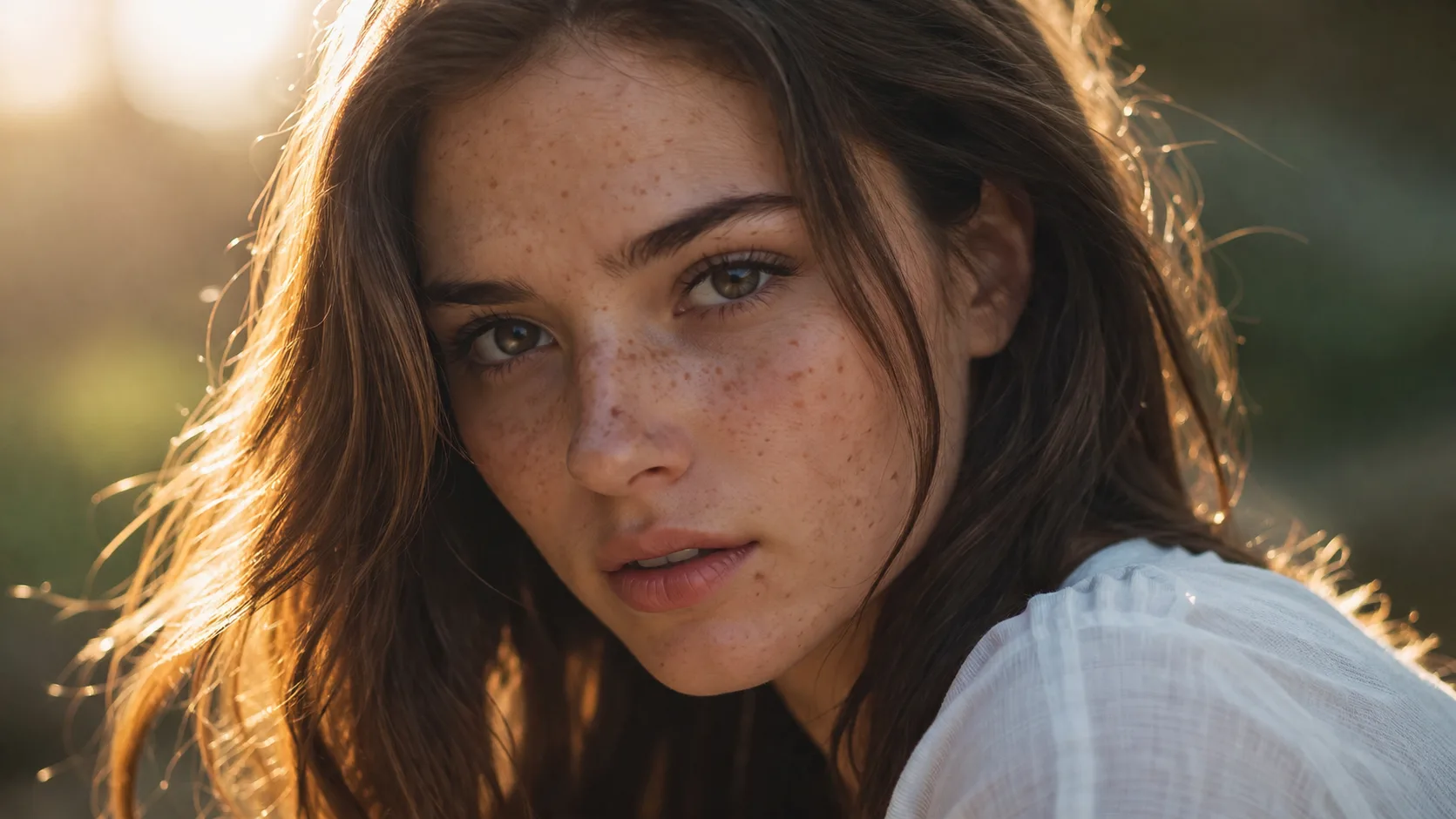
Photorealistic portrait:
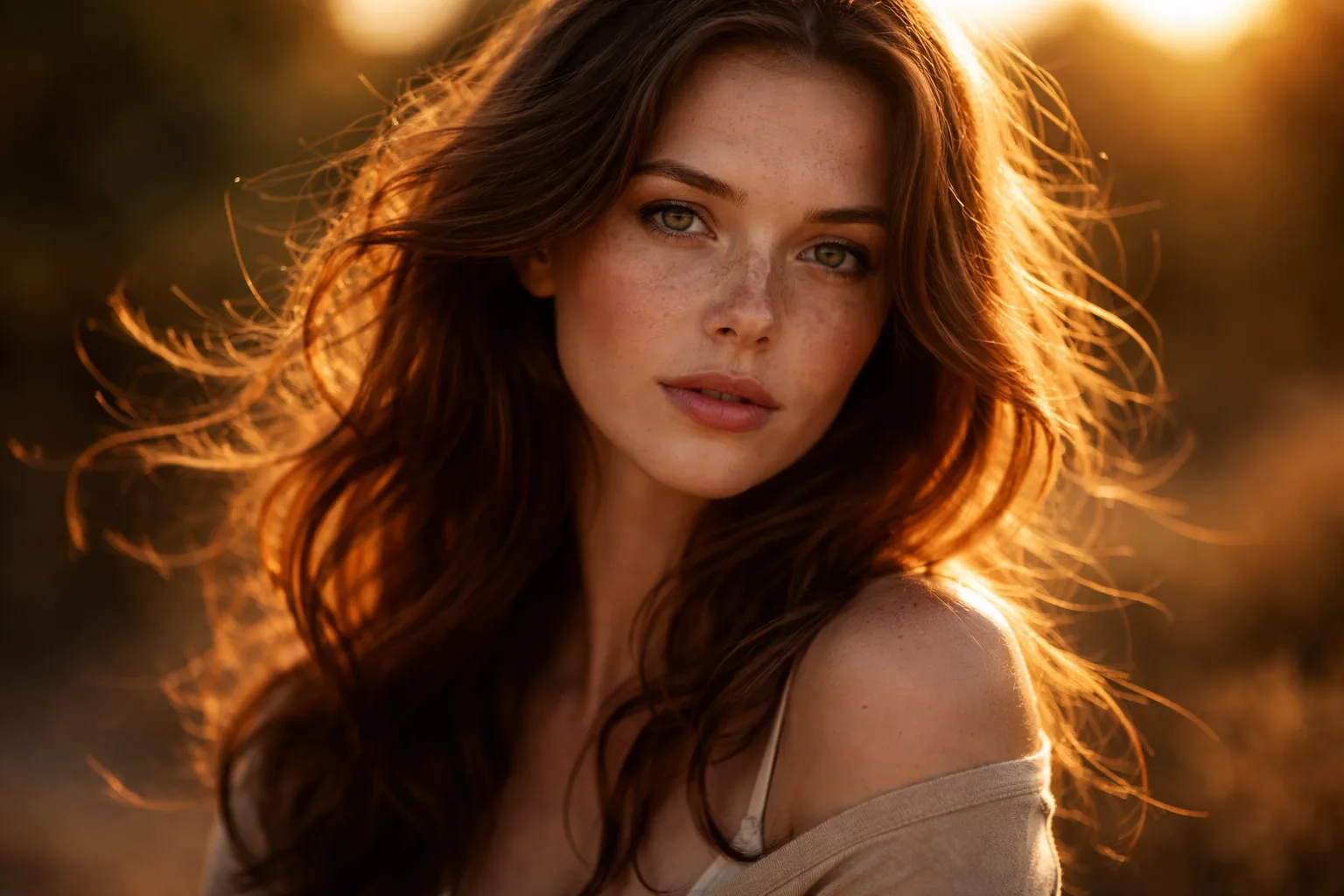
portrait of a young woman, natural sunlight, golden hour, shallow depth of field, Canon EOS R5, 85mm f/1.4, film grain, 8K ultra detailed
Fantasy landscape:
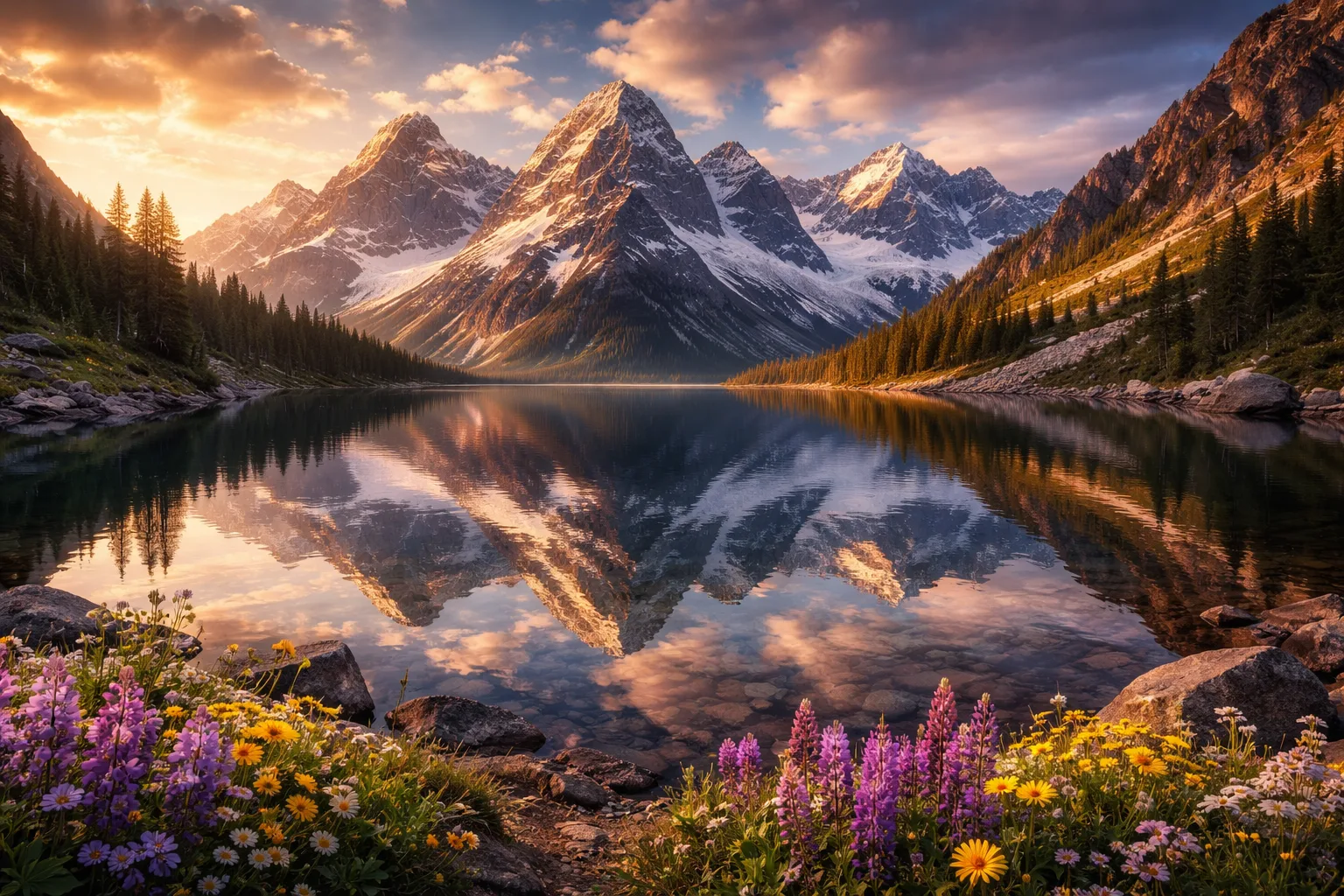
epic fantasy landscape, floating islands above clouds, waterfalls cascading into void, bioluminescent vegetation, dramatic volumetric lighting, matte painting style, cinematic composition
Character concept art:
character concept sheet, cyberpunk samurai, neon-lit armor, multiple angles, front side back view, clean white background, artstation trending, detailed weapon design
Interior design:
modern minimalist living room, floor-to-ceiling windows, Scandinavian furniture, warm ambient lighting, indoor plants, architectural photography, 4K, Dezeen magazine style
Product photography:
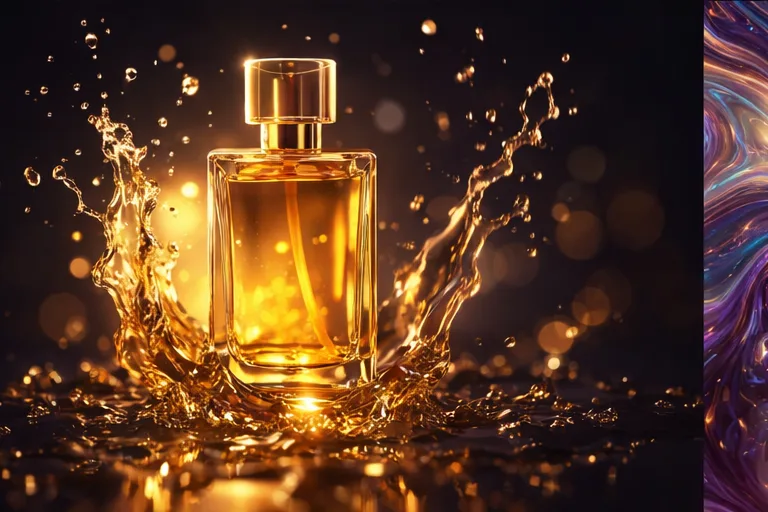
luxury perfume bottle on marble surface, soft studio lighting, water droplets, reflective surface, commercial product photography, high-end magazine advertisement
Prompt tips: use the structure [subject] + [style] + [lighting] + [quality]. Negative prompt: blurry, low quality, deformed, ugly, bad anatomy, watermark. Parameters: Steps: 25–35, CFG: 7–9, Sampler: DPM++ 2M Karras. A fixed seed produces reproducible results — find a good composition and experiment with the prompt.
Professional use cases
Stable Diffusion is not just a toy for generating images — it is a professional tool used daily by thousands of specialists:
- UI/UX and web design — rapid generation of mockups, landing page illustrations, icons, and background textures. ControlNet enables precise composition transfer from wireframe to final image.
- Marketing and advertising — creating visuals for social media, banners, email campaigns, and ad creatives. Img2img allows quick adaptation of a single image across different formats and audiences.
- Game development and 3D — generating textures, concept art, environment assets, and character designs. Specialized LoRA models are trained on specific styles: pixel art, isometric, low-poly, PBR textures.
- Photography and retouching — photo stylization via img2img, object removal and replacement via inpainting, frame expansion via outpainting. Professional photographers use SD as a post-production accelerator.
- Book and magazine illustration — creating covers, interior illustrations, and image series in a consistent style. LoRA adapters ensure stylistic consistency throughout an entire project.
- Architectural visualization — quickly transforming blueprints and sketches into photorealistic interior and exterior renders. ControlNet depth and canny modes ensure precise adherence to the source geometry.
Commercial licensing
Stable Diffusion is distributed under open licenses (CreativeML Open RAIL-M for SD 1.5, Stability AI Community License for SDXL). This means generated images can be freely used in commercial projects: on websites, in advertising, in print, in games, and in applications. You do not need to credit the model and you do not pay royalties. This is a key advantage over Midjourney and DALL-E 3, which operate on subscription models with commercial use restrictions on free tiers. Thousands of community models on CivitAI are also released with commercial use permissions — but we recommend checking the license of a specific LoRA before using it in production.
On Hubery.ai: no GPU, no installation, runs in browser
On Hubery.ai, Stable Diffusion is available through a web interface with no setup required. Instead of installing ComfyUI or Automatic1111, you simply type a description of the image you want and click "Create." The platform processes requests on servers with powerful GPUs — you do not need your own graphics card. The result is an image in 10–30 seconds depending on the chosen model and resolution.
How it works: open the site, enter a description, choose a model (SDXL, SD 3.5, Juggernaut, etc.), and adjust parameters (resolution, number of steps, CFG scale). For advanced scenarios, ControlNet, img2img, and inpainting are available — all through a graphical interface without a single line of code. No local GPU, no Python environment, no dependency conflicts. Everything runs in your browser on any device.
In addition to Stable Diffusion, a single subscription gives you access to Midjourney, DALL-E 3, Flux, and ChatGPT for text tasks — all from one platform.
Plans and pricing
The free plan includes up to 10 generations per day at standard resolution. Paid plans from $3/mo unlock HD generation, ControlNet, increased limits, and priority queue. The platform also offers ChatGPT for text tasks — all in one subscription.